Food Harmony is a Saint Lucian agribusiness dedicated to regenerative agriculture, healthy food production, and food systems education.

Food Harmony
read more

Kwanza Cocoa, a company specializing in bean to bar chocolate crafted from locally grown cacao

ABOUT KWANZA COCOA
Wezi Mzumara, Founder and Managing Director
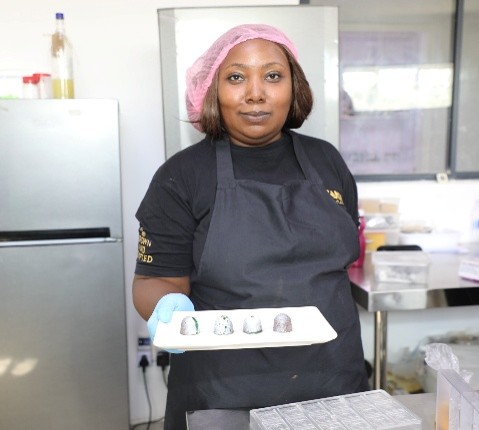
Wezi Mzumara is a Malawian entrepreneur and founder of Kwanza Cocoa, a company specializing in bean-to-bar chocolate crafted from locally grown cacao. With a background in public relations, event management, and design, Wezi made a bold career shift in 2020 following the COVID-19 pandemic, embracing agriculture and cocoa production full-time. Building on her family’s initial cocoa planting efforts in northern Malawi, she established Kwanza Cocoa in 2021 to promote value addition at origin and showcase Malawian cocoa through artisanal, small-batch chocolate. A recipient of seed capital from the Tony Elumelu Foundation and alumna of the Women Entrepreneurship 4 Africa programme, she recently joined the African Women in Food Fellowship cohort of 2024. Wezi champions cross-border collaboration with other African producers and takes pride in crafting unique chocolate flavours inspired by local ingredients, while empowering smallholder farmers and introducing Malawian cocoa to wider markets.
BUSINESS MODEL
Kwanza Cocoa was founded in 2021 in response to both personal reinvention and broader market potential potential. The idea took root when Wezi Mzumara, returning to her family farm in Nkhata Bay (northern Malawi), discovered a few cocoa trees her parents had planted years earlier. Initially unfamiliar with cocoa farming, she expanded the plantation to over 1,000 trees by 2017, driven by inspiration from West African cocoa-producing countries. However, it was during the 2020 pandemic, as her previous industries halted, that she explored cocoa value addition.
Immersing herself in the world of bean-to-bar chocolate, Wezi began experimenting with fermentation and production. Encouraged by exchanges with African and Caribbean chocolatiers met virtually at the 2021 Eko Chocolate Show, she acquired basic processing equipment and launched small-scale production from home. With support from the Tony Elumelu Foundation and WE4A, she secured seed funding to build a dedicated processing facility in Mzuzu.
From the beginning, Kwanza Cocoa was envisioned not just as a business, but as a tool to localize value chains, showcase Malawian-grown cocoa, and create opportunities for smallholder farmers. The company’s mission continues to evolve with commitment to innovation, quality, and regional collaboration.
Mission: to unlock the potential of Malawian cocoa by crafting high-quality, locally made chocolate products that celebrate African flavours, empower smallholder farmers, and promote homegrown value chains.
Vision: to become a leading African-origin chocolate brand that inspires pride, builds inclusive supply networks, and connects consumers to the richness of Malawian agriculture through innovative, sustainable, and locally crafted chocolate.
Kwanza Cocoa differentiates itself by:
This model enables Kwanza Cocoa to remain agile, creative, and community-driven, positioning the company as a pioneer in Malawi’s emerging chocolate industry.
STRONG RELATIONSHIPS WITH SMALLHOLDERS, COOPERATIVES…
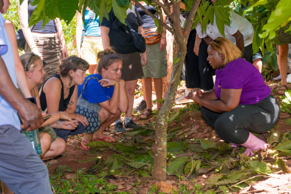
Kwanza Cocoa maintains a close and collaborative relationship with a growing network of smallholder farmers and value chain actors across Malawi and the broader region. The company sources cocoa beans both from its own family farm in Nkhata Bay (Northern Malawi) and from a network of local smallholders, contributing to the gradual emergence of a cocoa farming ecosystem in a country traditionally focused on maize, tobacco and groundnuts.
The company’s community outgrower program currently engages 30 farmers, while the commercial outgrower program includes over 75 farmers. Kwanza Cocoa also collaborates with two community-based organizations and is actively seeking opportunities to expand its partnerships. These efforts reflect Kwanza Cocoa’s commitment to inclusive growth and long-term collaboration with grassroots actors.
Kwanza Cocoa’s own cocoa plantation includes approximately 2,000 trees, with additional acreage cultivated by partner farmers representing a modest yet strategic foothold in Malawi’s emerging cocoa sector. Beyond its direct farming activities, the company collaborates with a range of stakeholders across the value chain: coffee producers in Ghana, spice and oil artisans in Tanzania and South Africa (whose ingredients are featured in limited-edition bars), and local packaging suppliers in Malawi and Tanzania deliberately avoiding imports from China to support local businesses and mitigate foreign exchange challenges.
Kwanza Cocoa also maintains strong ties with corporate clients such as banks, insurance companies, and government institutions, which commission customized chocolate gifts, as well as with a digitally engaged customer base via WhatsApp and social media. These partnerships reflect a broader vision to build a resilient and collaborative ecosystem that connects smallholder production with artisanal transformation and regional market access.
PRODUCTS AND MARKETS
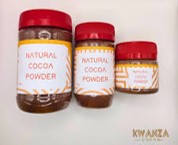
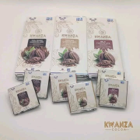
Kwanzaa Cocoa offers a carefully crafted selection of artisan chocolate products, grounded in Malawian cocoa and inspired by local and regional ingredients.
Product range
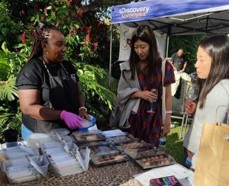
Distribution channels
Market scope & expansion plans
Kwanza Cocoa’s commitment to “grown and crafted in Malawi” highlights its dedication to local sourcing, artisanal quality, and the development of a premium Malawian chocolate brand.
INNOVATIONS: MILESTONES AND EXPANSION PLANS
Kwanza Cocoa stands out as one of the first artisanal chocolate producers in Malawi, bringing innovation to a country traditionally focused on crops like tobacco, maize, and groundnuts. The company has introduced a local bean-to-bar value chain that integrates small-scale cocoa farming with handcrafted chocolate production a novelty in the Malawian agri-food sector.
Key innovations and milestones include:
Kwanza Cocoa is currently preparing to expand its regional footprint, with plans to begin exporting to other African countries starting in late 2025. The founder is also exploring collaborations with other African food artisans to foster a broader value-added network across the continent.
SUCCESS FACTORS AND LESSONS LEARNED
Success factors
Challenges and lessons
Additional Resources
Recent Business Profiles
Food Harmony is a Saint Lucian agribusiness dedicated to regenerative agriculture, healthy food production, and food systems education.

Enimiro Products Uganda Ltd develops traceable and sustainable agricultural value chains in vanilla, coffee and dried fruits, empowering smallholder farmers, strengthening rural livelihoods and...

The Plant Doctor is an agribusiness focused on the development and production of organic agricultural inputs and plant health solutions.

Ecobed Biotech Brand transforms organic waste into valuable resources, empowering smallholder farmers, promoting climate resilience, and developing eco-friendly products like mosquito repellent...

Rhea is a Kenyan AgriTech company providing AI-powered soil testing and soil health solutions to help smallholder farmers improve yields and farm sustainably.