Food Harmony is a Saint Lucian agribusiness dedicated to regenerative agriculture, healthy food production, and food systems education.

Food Harmony
read more

Damascene Processing is an Ethiopian agribusiness that produces and exports organic, forest-friendly spices while empowering thousands of smallholder farmers through training, cooperatives, and sustainable farming practices.

ABOUT DAMASCENE PROCESSING
Company status : Private business.
Year of registration : 2013.
Number of employees : 23 employees.
Business sector : Agribusiness.
Rahel Heru – Founder and Managing Director
Rahel Heruy is a senior agribusiness entrepreneur and value-chain coordinator with over a decade of experience supporting smallholder farmers across coffee-linked forest ecosystems in Southwest Ethiopia, including Kaffa, Bench Maji, and Sheka. She has demonstrated strong leadership in women and youth empowerment, cooperative formation, and community mobilization and development. Her work also spans biodiversity conservation, environmental protection, and the coordination of donor-funded projects. She is highly skilled in collaborating with NGOs, INGOs, UN agencies, research institutions, and government authorities. Rahel’s expertise and professional focus strongly align with the priorities of MCF, UNIDO, IFAD, and FAO, particularly in advancing inclusive agribusiness, sustainable value chains, private sector engagement, and rural development.
CONTEXT
Background
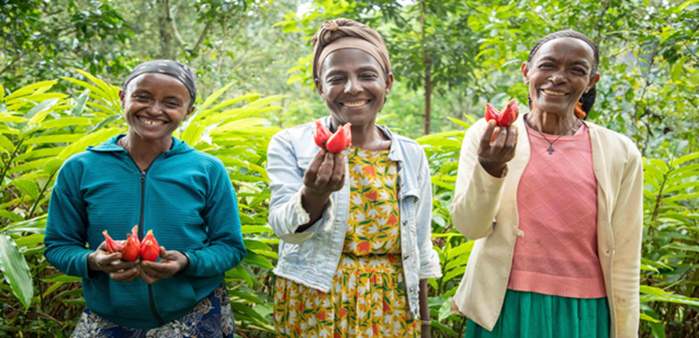
Damascene Processing was founded to support women smallholder farmers in Ethiopia’s southwest rainforest region. Over the past decade, the company has focused on sustainable and organic spice production while promoting economic empowerment and environmental conservation. The company works directly with local communities, indigenous populations, and women-led cooperatives.
Mission: Empower smallholder farmers, particularly women and youth, while promoting sustainable forest-friendly spice production.
Vision: Build an inclusive, environmentally sustainable, and globally recognized agribusiness that preserves Ethiopia’s rainforest ecosystems.
Position in the market
Damascene Processing operates as a niche player specializing in high-quality, organic, forest-friendly spices. It emphasizes sustainable sourcing to meet both local and international market requirements.
Relationships with smallholders
Damascene Processing maintains strong relationships with smallholders and women farmers, providing technical assistance and income opportunities. It supports 10 cooperatives to improve technical capacity, income generation, and leadership skills. The company also collaborates with distributors and packaging companies to ensure the safe delivery of its products. In addition, Damascene Processing partners with NGOs, UN agencies, research institutions, and government authorities to enhance skills, technical knowledge, and access to financing.
PRODUCTS AND MARKET
Main products
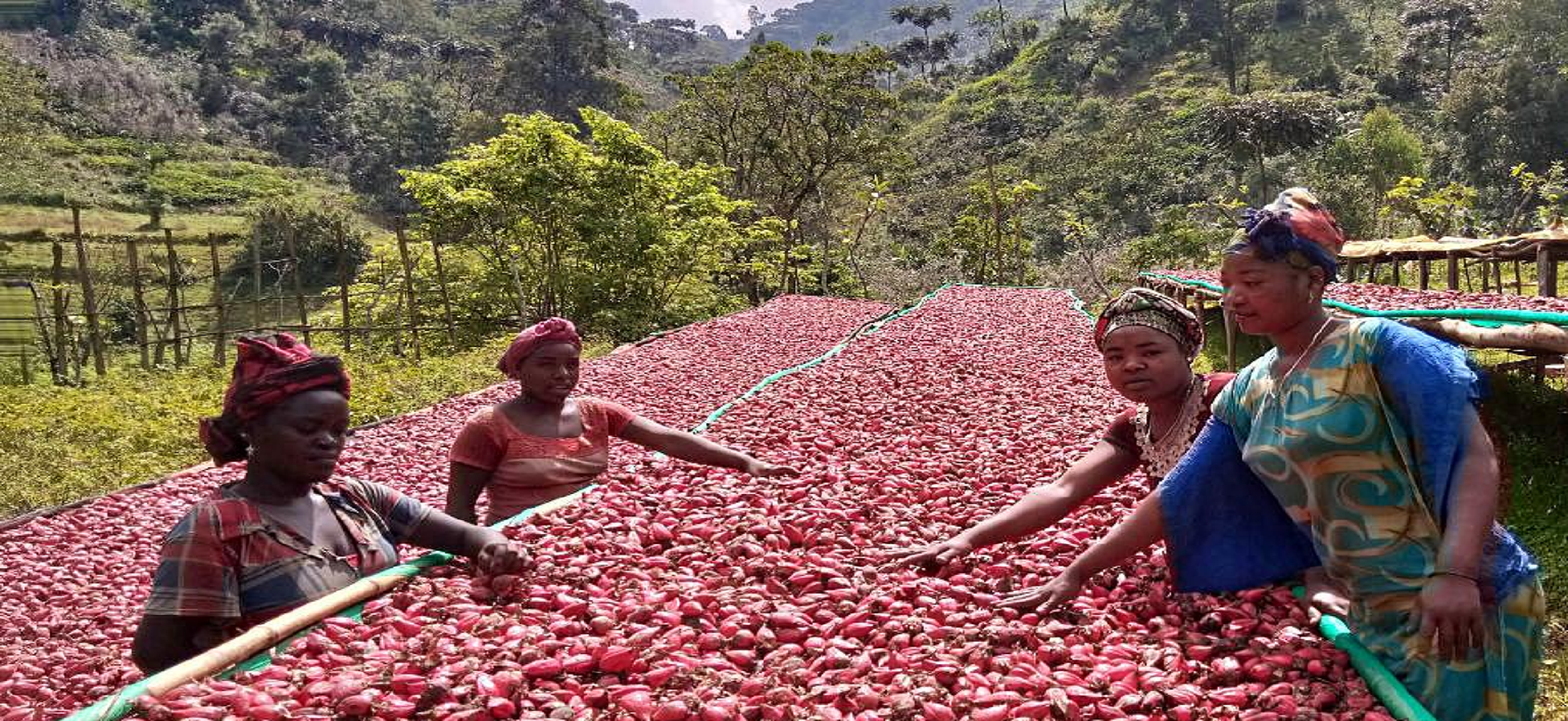
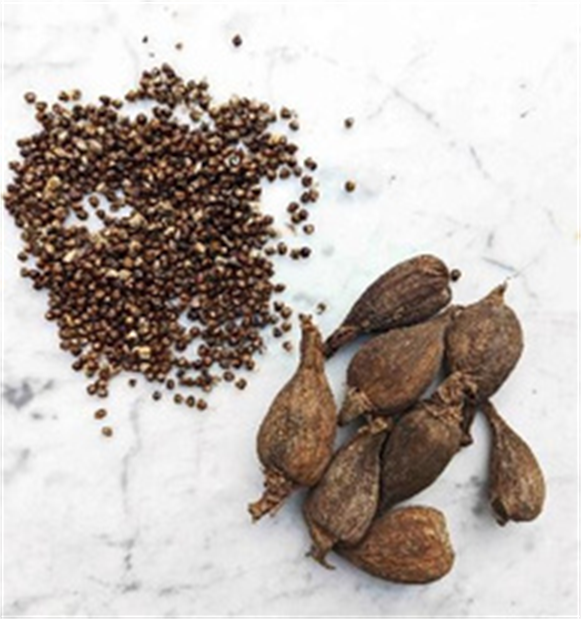
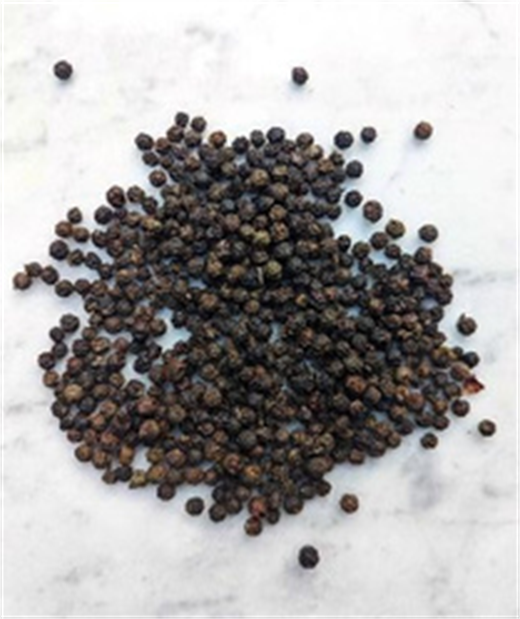
Damascene Processing produces a range of organic spices suited to the unique landscape and ecology of Ethiopia’s rainforest. The company selects specific high-demand spice varieties that thrive in forest gardens, ensuring continuous and sustainable supply for both local and international markets. Some of the products include fresh and processed spices, as well as specialty coffee aligned with forest conservation initiatives.
Main markets
The company serves multiple markets. Locally, it supplies Ethiopian culinary markets and specialty retailers. Regionally, it provides spices to neighboring African countries. Internationally, Damascene Processing exports products to Europe, Asia, and North America, particularly targeting the foodservice and tourism sectors.
Main services
In addition to product supply, the company provides technical training to farmers and cooperatives, focusing on sustainable cultivation, post-harvest handling, quality management, and leadership. Damascene Processing also implements community empowerment programs aimed at women and youth. While formal certifications are pending, the company adheres to strict organic and environmentally friendly production practices, meeting buyer requirements for sustainable sourcing.
INNOVATIONS: MILESTONES AND EXPANSION PLANS
Milestones
Over the years, Damascene Processing has achieved significant milestones. The company has engaged approximately 3,000 women farmers in sustainable spice production and has delivered more than 15,000 training hours focused on cultivation, leadership, and quality management. Its operations cover over 500 hectares of forest-friendly spice gardens, ensuring both sustainable production and environmental conservation.
The company has successfully empowered women to generate independent income streams, creating economic opportunities for families in rural communities. It has adopted modern collection, processing, and quality monitoring methods, enhancing efficiency and product quality.
Needs for upscaling
To expand further, Damascene Processing requires additional technical support for skill-building among farmers and cooperatives, financial investment to scale processing infrastructure, and policy support to facilitate certifications and inclusive land-use practices.
SUCCESS FACTORS AND LESSONS LEARNED
Damascene Processing’s success can be attributed to its strong collaboration with NGOs, government authorities, research institutions, and other stakeholders. Its focus on empowering women and youth has strengthened community engagement and resilience. By combining sustainable production practices with inclusive business models, the company has built trust and a strong reputation in local and international markets. Key lessons learned include the importance of community trust and stakeholder collaboration for inclusive agribusiness models. Aligning production with market demand is essential for income stability, while continuous capacity building and training are critical for long-term sustainability. The company has also learned that empowering women economically has positive social impacts, including increased leadership and skill development in rural communities.
Additional Resources
Recent Business Profiles
Food Harmony is a Saint Lucian agribusiness dedicated to regenerative agriculture, healthy food production, and food systems education.

Enimiro Products Uganda Ltd develops traceable and sustainable agricultural value chains in vanilla, coffee and dried fruits, empowering smallholder farmers, strengthening rural livelihoods and...
The Plant Doctor is an agribusiness focused on the development and production of organic agricultural inputs and plant health solutions.

Ecobed Biotech Brand transforms organic waste into valuable resources, empowering smallholder farmers, promoting climate resilience, and developing eco-friendly products like mosquito repellent...

Rhea is a Kenyan AgriTech company providing AI-powered soil testing and soil health solutions to help smallholder farmers improve yields and farm sustainably.