Smart food production and digitization: how Caribbean agrifood entrepreneurs can use data and technology
Caribbean Agrifood Business Session n°23
read more

Food security is defined as “a situation that exists when all people, at all times, have physical, social and economic access to sufficient, safe and nutritious food that meets their dietary needs and food preferences for an active and healthy life”. It encompasses food availability, access, utilization, stability, as well as the dimensions of agency and sustainability.
Climate change is placing growing pressure on global food systems through more frequent and intense climate disasters, including heatwaves, droughts, floods and tropical cyclones. These events damage crops, livestock and fisheries, disrupt food storage, transport and markets, and reduce agricultural productivity, ultimately threatening livelihoods and increasing food prices. In Small Island Developing States (SIDS), for example, tropical cyclones, coastal flooding and sea-level rise regularly disrupt food production and supply chains, while the limited availability of arable land and high dependence on food imports make these countries particularly vulnerable to food insecurity.
The increasing frequency and severity of extreme weather events are driving higher risks of acute food insecurity and malnutrition. These impacts are particularly pronounced in low- and middle-income countries that rely heavily on rainfed agriculture, as well as among vulnerable populations such as smallholder farmers, fishers, women, children and low-income households. While women are among those most affected by climate-related food insecurity, they are also essential actors in sustaining and transforming food systems. Across the Global South, women contribute significantly to agricultural production, food processing, trade and household nutrition.
Women entrepreneurs are drivers of innovative business solutions that help communities prepare for, respond to and recover from climate disasters. Supporting women-led businesses is therefore critical not only for women’s economic empowerment, but also for enhancing food security in the face of climate disasters.
This session will spotlight women entrepreneurs as leaders of innovative, market-based solutions to strengthen food security in the face of climate disasters. It will provide a platform for women entrepreneurs to exchange experiences, showcase practical solutions and identify opportunities for collaboration and scaling. Through South–South exchange, it will:
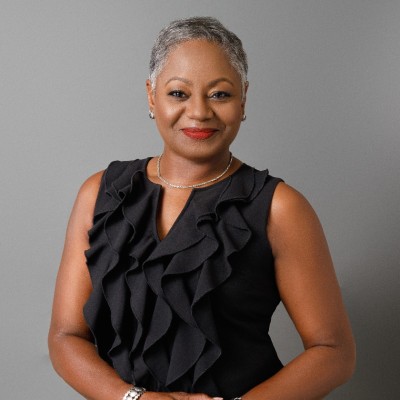
Programme Specialist, UN Women MCO Caribbean

Head of Networks and Alliances, COLEAD
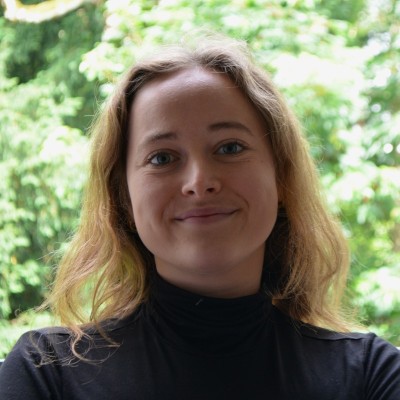
External Consultant, COLEAD
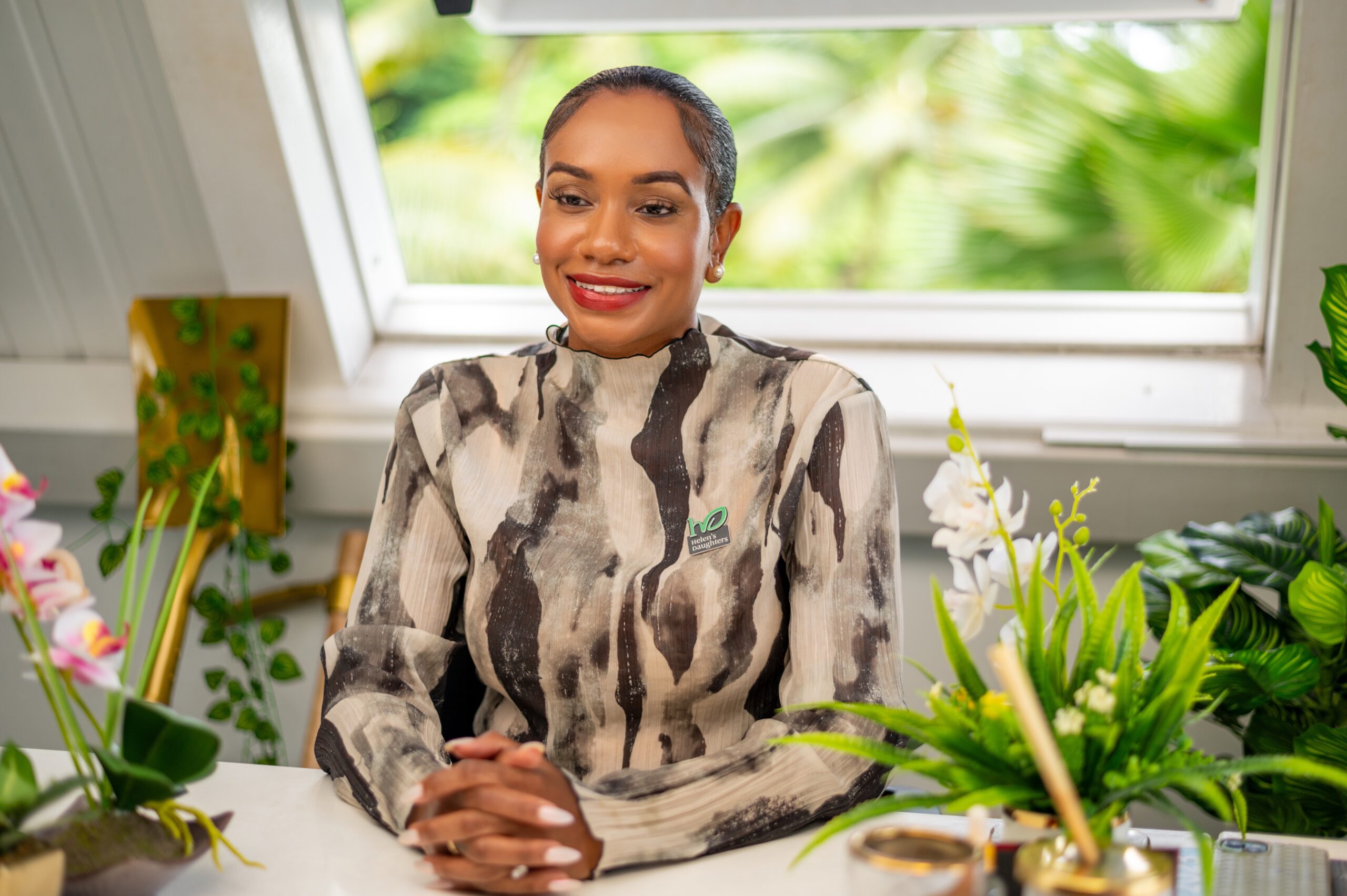
Founder and Executive Director, Helen’s Daughter, St Lucia

Chief Visionnnary Officer, Jeyie Food Company, Malawi

Consultant - Technical Advisor, United Nations Office for Disaster Risk Reduction (UNDRR), Dominica

Founder and CEO, NEWA Farms Limited, Uganda
Recent Sessions
Smart food production and digitization: how Caribbean agrifood entrepreneurs can use data and technology
Digitalisation & AI in Agrifood: Tools for Efficiency and Market Access
Digital traceability and supply chain transparency: policies for food safety and market access