Food Harmony is a Saint Lucian agribusiness dedicated to regenerative agriculture, healthy food production, and food systems education.

Food Harmony
read more

Zantarea Farms is a woman-led farm in Barbados that produces fresh and value-added crops using regenerative, climate-smart practices and promotes community engagement in sustainable agriculture.
ABOUT ZANTAREA FARMS
Christina Pooler – Owner
Christina Pooler is a third-generation agriculturalist and the owner of Zantarea Farms, a one-acre family-owned farm in Barbados. With over a decade of experience in agriculture, project management, and community engagement, Christina is passionate about promoting regenerative and climate-resilient agriculture and fisheries through research, education, community outreach, and stakeholder involvement. Her multidisciplinary background, in building and civil engineering, computer science, and her recent Master in Science in Natural Resource and Environmental Management, equips her with the skills to design and implement sustainable, climate-smart farming systems. Through research, education, and inclusive outreach, Christina actively promotes environmental stewardship and community-driven innovation in the Caribbean agricultural landscape
CONTEXT
Background
Zantarea Farms is a one-acre, family-owned agricultural enterprise located in southeastern Barbados. Established in 2017, the farm is owned and operated by Christina Pooler, a third-generation agriculturalist whose work is grounded in regenerative and climate-resilient practices. The farm was founded to bridge the gap between people and their food, combining production with education, research, and community outreach. Drawing on her multidisciplinary background in civil engineering, computer science, and natural resource and environmental management, Christina implements climate-smart systems that integrate sustainability and innovation into every aspect of the farm’s operations.
Position in the market
Zantarea Farms operates within the local Barbadian fresh produce and agro-processing markets, targeting consumers who prioritize sustainability, nutrition, and traceability in their food sources. By producing niche crops and engaging in value-added processing, the farm has carved out a unique identity in the local agricultural landscape. Its focus on regenerative farming and community education aligns with regional movements such as Slow Food Barbados and contributes to a growing demand for environmentally responsible produce. Zantarea is also looking to expand its market reach regionally and internationally, particularly in specialty and health-conscious segments.
Relationships
Zantarea Farms places a strong emphasis on stakeholder engagement and ecosystem-building within the agricultural sector. Through partnerships with research institutions, NGOs, and regional networks, the farm supports youth and women in agriculture by mentoring young entrepreneurs and promoting knowledge sharing. Christina’s work with the Caribbean Research and Development Institute (CARDI), NOAA-CERMES, and international fellowships has deepened the farm’s collaborative roots and contributed to broader efforts in sustainable agriculture and climate resilience. Zantarea does not operate in isolation, it is part of a vibrant and evolving community of smallholders, educators, and advocates working toward food security and ecological health in the Caribbean.
PRODUCTS AND MARKET
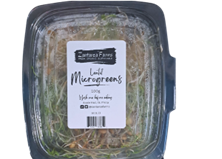
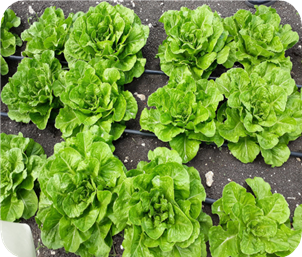
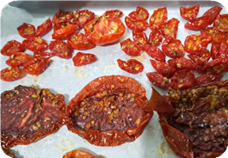
Zantarea Farms adopts a strategic production approach, emphasizing climate-resilient cultivars, agroecology, and circular systems. The farm cultivates a variety of crops including eggplants, mangoes, tomatoes, passion fruits, microgreens, fresh salads, and specialty items tailored to market demand. Surplus produce is processed into products such as sun-dried tomatoes and cucumber pickles, reducing waste and creating additional revenue streams. These offerings are sold locally, with plans underway to expand to regional and international specialty markets. Zantarea also aims to build a robust direct-to-consumer model, supported by its active social media presence.
INNOVATIONS
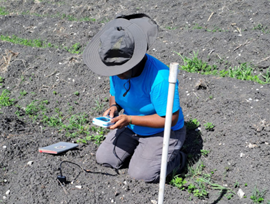
Innovation is central to Zantarea’s operational model. Christina Pooler has led the farm’s adoption of technologies and practices that respond to the twin challenges of climate change and resource constraints. This includes using solar energy, implementing water catchment systems, and applying coconut waste and manure to improve soil moisture retention. Indoor and controlled-environment growing methods further strengthen the farm’s resilience against erratic weather patterns. The farm also explores sustainable uses of sargassum seaweed in partnership with CARDI, as part of the Sargassum Products for Climate Resilience in the Caribbean project. Looking ahead, Christina plans to acquire a small tractor to scale production, improve infrastructure, and undergo formal training in agro-processing to better utilize excess yields.
SUCCESS FACTORS
Zantarea Farms’ success stems from Christina Pooler’s vision, technical expertise, and deep commitment to both ecological farming and community empowerment. The farm’s use of climate-resilient strategies and circular economy principles has made it a model of sustainable practice in the Caribbean. Institutional support has also played a significant role. Christina is a past recipient of the Dr. Frances Chandler Memorial Award, a grant that supports Barbadian women in agriculture. She has participated in prestigious programs such as the Young Leaders of the Americas Initiative (2022), the Inter-American Institute for Global Change Research STeP Fellowship (2023), and the NOAA-CERMES Climate Resilience Enhancement Programme. These experiences have enriched her work and opened doors for further collaboration, innovation, and regional impact.
As Zantarea continues to grow, it remains anchored in Christina’s belief that mentorship and community-building, especially among women and youth, are essential for creating a resilient and inclusive agricultural future. Her participation as a panellist in the first session of the UN Women-COLEAD South South Serie: Empowering and Growing Women-led Business reflects her conviction that women must mentor other women to foster their growth while also seeking mentors for themselves. This cycle of guidance and learning creates greater opportunities for both women and youth, strengthening the entrepreneurial ecosystem.
Additional Resources
Recent Business Profiles
Food Harmony is a Saint Lucian agribusiness dedicated to regenerative agriculture, healthy food production, and food systems education.

Enimiro Products Uganda Ltd develops traceable and sustainable agricultural value chains in vanilla, coffee and dried fruits, empowering smallholder farmers, strengthening rural livelihoods and...
The Plant Doctor is an agribusiness focused on the development and production of organic agricultural inputs and plant health solutions.

Ecobed Biotech Brand transforms organic waste into valuable resources, empowering smallholder farmers, promoting climate resilience, and developing eco-friendly products like mosquito repellent...
Rhea is a Kenyan AgriTech company providing AI-powered soil testing and soil health solutions to help smallholder farmers improve yields and farm sustainably.