ABOUT TAC-MAZ SUSTAINABLE VENTURES
Company status: Registered social enterprise.
Year of registration: 2018.
Number of employees: 15 permanent employees (7 women).
Business sector : Agribusiness.
Thokozani Amanda Chimasula – Founder
Thokozani Amanda Chimasula is a dynamic social entrepreneur, development communications specialist, and advocate for gender inclusion and environmental justice with over a decade of experience advancing gender equality, sustainable development, and community empowerment in Malawi. She holds degrees in Humanities and Health Management, is completing a Master’s in Development Communication, and is pursuing another in Women’s, Children’s, and Nature Rights in Environmental Governance. Thokozani has held key leadership roles in organizations focused on gender justice and child protection, and she founded Tac-Maz Sustainable Ventures, an eco-inclusive enterprise that empowers over 2,000 women farmers through sustainable agriculture and market access. A passionate writer, she uses storytelling to highlight resilience, gender justice, and women’s lived experiences, publishing three books that amplify marginalized voices. Her impactful contributions have earned her numerous awards and fellowships, and she has presented on global platforms, sharing insights on gender, climate justice, and inclusive development in the context of just transitions.
CONTEXT
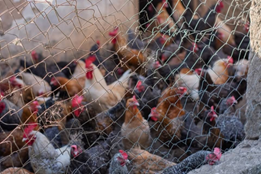
Background: Tac Maz Sustainable Ventures was founded in 2018 by Ms. Thokozani Amanda Chimasula as a response to persistent food insecurity, low access to nutritious food, and limited income opportunities for women farmers in Malawi. Beginning with small-scale horticulture and livestock enterprises, the business evolved into a social enterprise integrating livestock production, horticulture, value addition, and community development. Over time, Tac Maz built a reputation for its climate-smart approaches, community empowerment model, and focus on indigenous and dual-purpose chickens, which are more resilient to climate variability and suited to low-input production systems.
Mission: To provide communities with a variety of high-quality and affordable agricultural products and services that promote health, sustainable living, and climate resilience.
Vision: To build resilient food systems in Malawi by empowering women and youth and scaling climate-smart poultry and horticultural value chains.
Position in the market: The company occupies a promising position in Malawi’s agricultural market, particularly in the growing niche of indigenous and dual-purpose poultry. This segment remains underserved despite strong consumer preferences and increasing demand for birds that are hardy, flavorful, and culturally significant. Tac Maz is also known for its organic horticultural produce, which appeals to kitchens, restaurants, caterers, supermarkets, and health-conscious consumers seeking fresh and chemical-free food products.
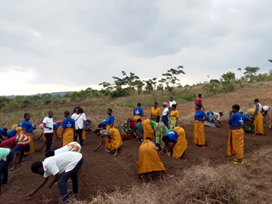
Relationships with smallholders: Tac Maz maintains relationships across the value chain, working closely with 1,200 smallholder farmers through an out-grower scheme that provides chicks, supplementary low-cost feed, training, and guaranteed off-take. The enterprise also supports women-led cooperatives, improving their capacity in sustainable horticulture and cooperative governance. Engagement with businesses, restaurants, supermarkets, and catering companies ensures that products consistently reach local and urban markets. The company collaborates with input suppliers, packaging companies, and development partners, while its farmer-support model strengthens relationships with distributors, chefs, women-led cooperatives, and rural entrepreneurs.
PRODUCTS AND MARKET
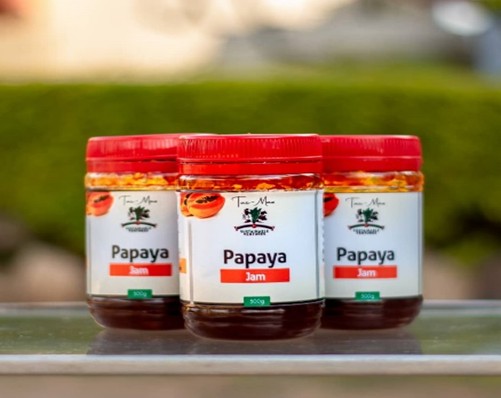
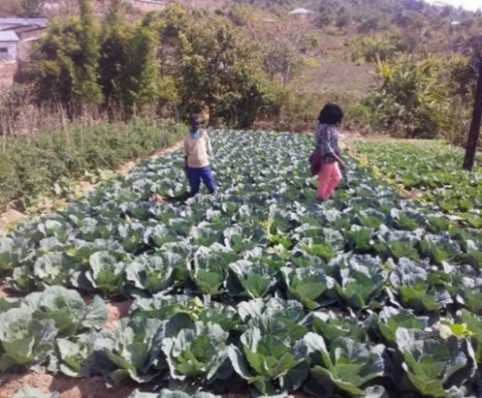
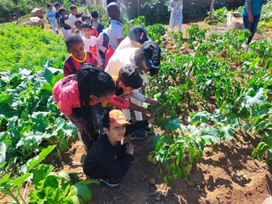
Main products: Tac Maz Sustainable Ventures produces a diverse range of agricultural products focused on poultry and horticulture. Its main livestock products include indigenous chickens, dual-purpose chickens, and eggs, all raised using climate-smart and organic practices. In horticulture, the enterprise grows a variety of vegetables and fruits, integrating organic fertilisers produced in-house to enhance soil health and productivity. The business also offers processed and value-added goods such as dried vegetables, fruit-based products, packaged greens, and low-cost supplementary feed formulated to improve bird quality while remaining affordable for smallholders
Main markets: Tac Maz serves a mix of local markets within Malawi. The enterprise supplies fresh produce and poultry to households, small shops, and open local markets, especially in peri-urban and urban settings. The business sells to supermarkets, catering companies, restaurants, and institutional buyers such as schools and feeding programs. The tourism and foodservice sector forms an increasingly important market, with hotels, lodges, and caterers seeking organic and indigenous products to meet the rising demand for healthy and culturally rooted cuisine.
Main services: Alongside farming and sales, Tac Maz offers services such as farmer training in poultry and horticulture, climate-smart agriculture capacity building, cooperative development support for women groups, and market linkage services through its out-grower scheme. The business also provides technical guidance on renewable-energy irrigation, sustainable land use, and organic input production.
INNOVATIONS: MILESTONES AND EXPANSION PLANS
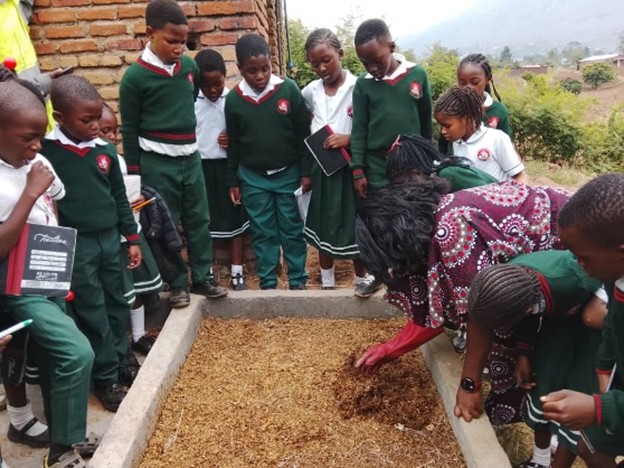
Milestones: Since its establishment, Tac Maz Sustainable Ventures has achieved several notable milestones. The company successfully developed an out-grower scheme that now supports 1,200 smallholders (most of them women, youth, and vulnerable groups) ensuring skills transfer, access to inputs, and secured markets. It has integrated renewable-energy irrigation systems into its horticultural production, reducing energy costs and improving resilience. Through investments in organic fertiliser production, Tac Maz has strengthened climate adaptation while reducing the cost of external inputs. Support from CASA amounting to £46,755 in technical assistance and grant funding enabled the business to pilot a model utilising low-cost supplementary feed, improving bird quality and farmer yields. The enterprise has extended its operations to multiple districts, engaging more than 2,000 women and conducting climate resilience education for over 17,500 students.
Needs for upscaling : Looking ahead, Tac Maz seeks £39,000 in equity financing to increase production capacity and secure its position in the indigenous poultry market. The expansion plan includes acquiring a feed miller and pelletizer to improve feed production efficiency, procuring a higher-capacity incubator capable of handling 1,800 eggs, and expanding brooding facilities. The company also aims to complete construction of processing and storage warehouses, pursue export certification, and scale its out-grower scheme to 5,000 farmers by 2028. Additionally, Tac Maz plans to integrate more digital tools for remote training, farmer monitoring, and production planning to streamline operations and improve transparency. Besides, the enterprise holds local registrations and is working toward export certification as part of its expansion strategy. Tac Maz also aims to enhance packaging and product quality to meet evolving buyer requirements and strengthen its competitiveness in domestic and future export markets.
To achieve these goals, Tac Maz requires technical support to adopt advanced processing technologies, financial resources to expand infrastructure and working capital, and a policy environment that facilitates export certification and climate-smart agricultural innovations.
SUCCESS FACTORS AND LESSONS LEARNED
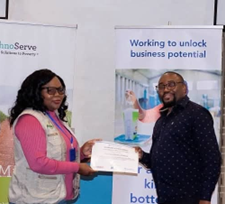
Tac Maz Sustainable Ventures attributes its success to strong leadership anchored in gender equality, climate resilience, and community development; a clear business niche in indigenous and dual-purpose chickens; and a climate-smart production model that lowers operating costs while improving reliability. The enterprise’s trusted relationships with women farmers and cooperatives, combined with its integrated approach linking livestock, horticulture, and value addition, have enabled it to meet growing market demand. Partnerships with organisations such as CASA have further strengthened the company’s technical capacity, market access, and overall visibility.
Key lessons learned include the importance of diversity in agricultural production, especially in the face of climate shocks such as Cyclone Freddy, which highlighted the need for resilient and flexible farming systems. Tac Maz has also learned that smallholders thrive when provided with a package of support (inputs, training, and guaranteed markets) and that women’s cooperatives are especially effective in driving community transformation. Adopting renewable energy, sustainable land management, and organic fertiliser boosts long-term productivity, while technological upgrades are essential for efficient scaling. Lastly, the enterprise has realised that access to finance, strong partnerships, and continuous innovation are critical for navigating market instability, rising input costs, and the broader challenges faced by rural agribusinesses.