Artificial intelligence for women entrepreneurs
South-South: Empowering and Growing Women-led Business Session N°8
read more

Women play a central yet often under-recognized role across blue and green economy value chains, from agri-food systems and sustainable fisheries to circular and nature-based enterprises. The green economy refers to economic activities that promote environmental sustainability, low-carbon growth, and resource efficiency, while the blue economy encompasses sustainable use of ocean, freshwater, and coastal resources for economic growth, livelihoods, and ecosystem health. In climate-vulnerable contexts, women entrepreneurs face multiple challenges, including exposure to climate shocks, limited access to finance and markets, and unequal care responsibilities. Despite these barriers, they are key drivers of innovation, resilience, and environmental stewardship.
Globally, women represent over 43% of the agricultural labour force but own less than 15% of agricultural land. In fisheries and aquaculture, women make up around 50% of the workforce, mainly in pre- and post-harvest activities, yet remain largely invisible in policy frameworks and value chain governance[1]. Structural barriers continue to limit women’s access to resources, decision-making, decent work, and economic returns in both blue and green economy sectors[2].
Climate change is not gender-neutral. Its impacts, including extreme weather, food insecurity, and livelihood loss, disproportionately affect women, particularly in climate-vulnerable coastal and rural communities[3]. Blue and green economies offer critical pathways for climate resilience and inclusive growth, yet women’s contributions in fisheries, aquaculture, agriculture, and nature-based solutions remain undervalued. Highlighting these contributions and enabling South–South knowledge exchange can strengthen women’s economic empowerment and inform more inclusive policies and practices across regions.
This session will spotlight women-led enterprises as drivers of innovation and resilience in blue and green economies, moving beyond policy discussions to highlight practical business models. Through South–South exchange, it will:
[1] IFAD. 2022. These numbers prove that rural women are crucial for a better future.
[2] FAO. The state of world fisheries and aquaculture.
[3] UNICEF. 2024. Tackling gender inequality in a climate-changed world.
Join our Forum to discuss and explore how to encourage innovations across agricultural value chains to transform food systems in African, Caribbean and Pacific countries and beyond, promote sustainable agriculture & leverage investments. Share insights, ask questions, and collaborate on innovative solutions for a greener future.
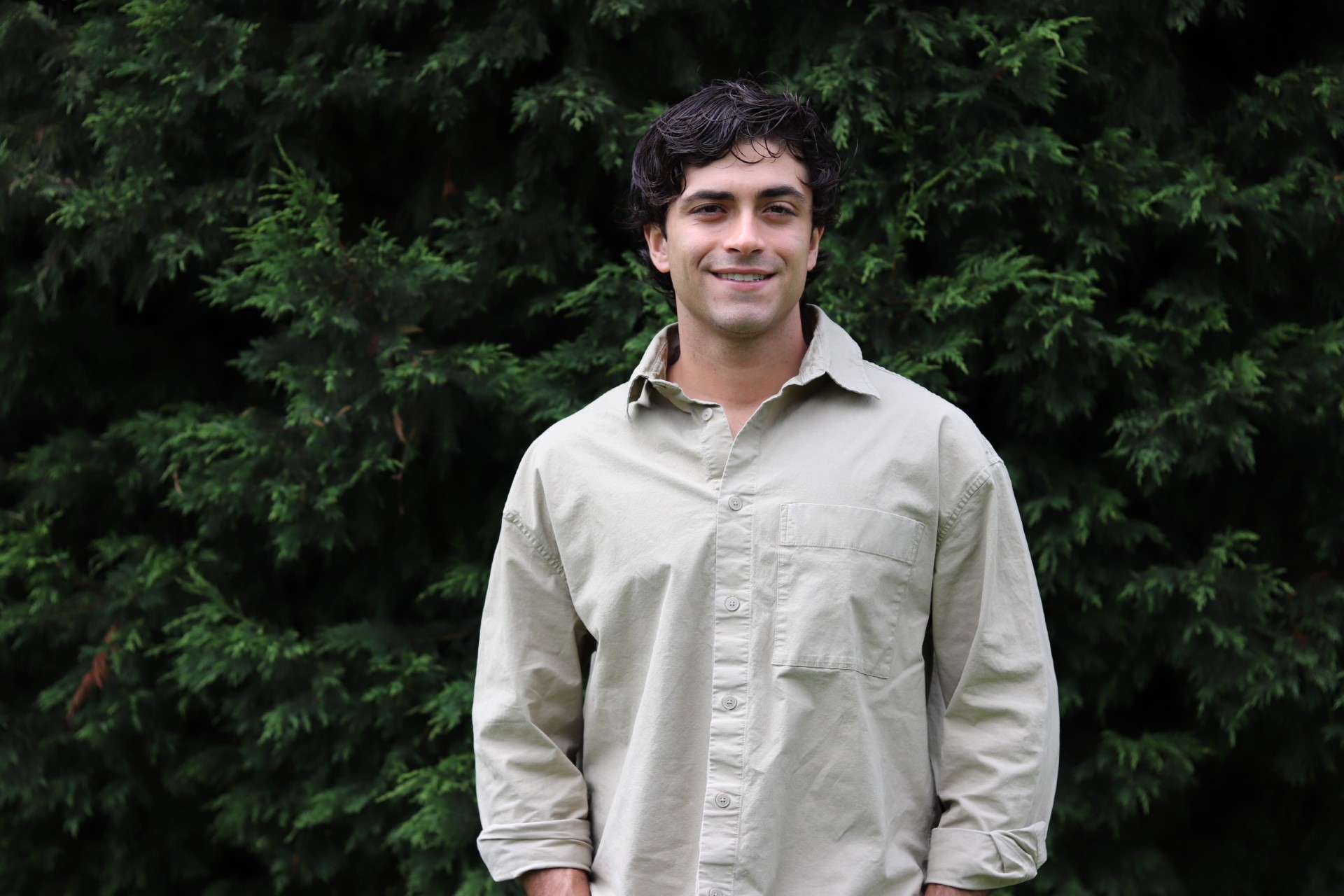
Program Associate, UN Women Caribbean
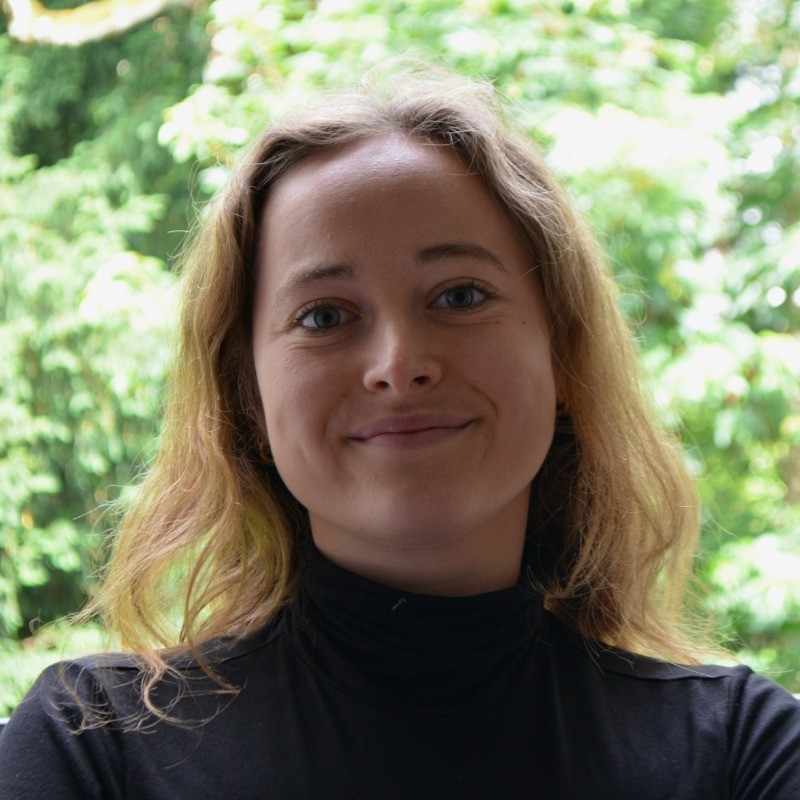
Project Officer, COLEAD

Senior Expert Business Development, COLEAD
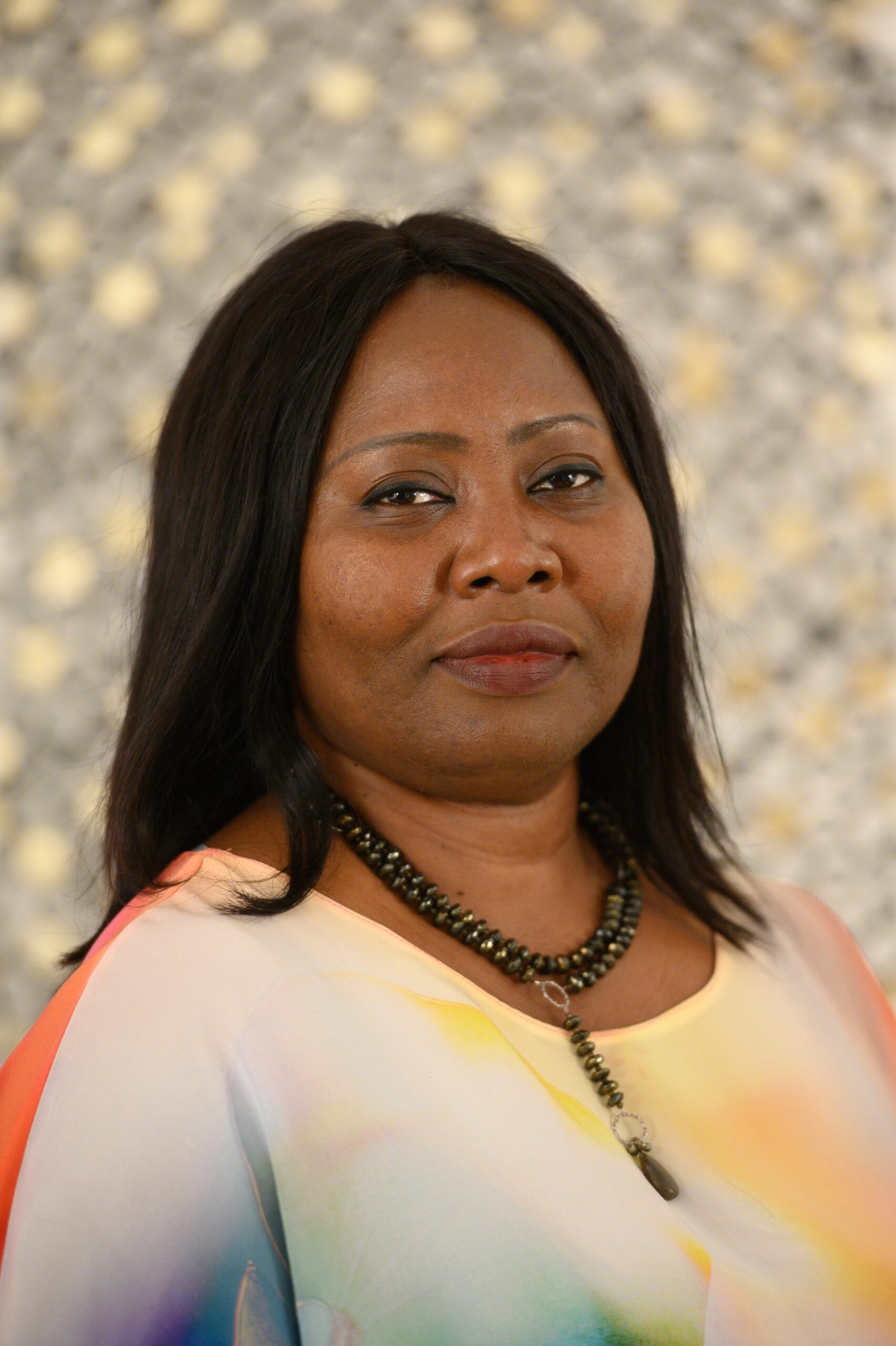
Gender Team Leader, FAO
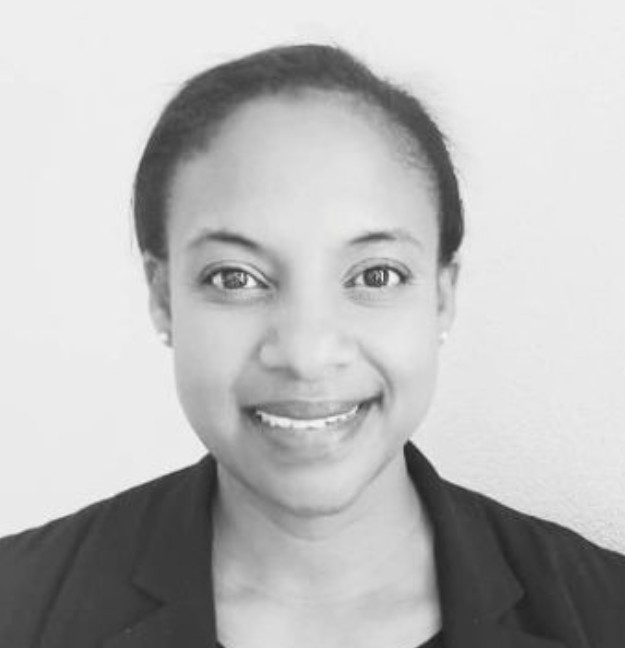
Founder and CEO, Rum and Sargassum, Barbados
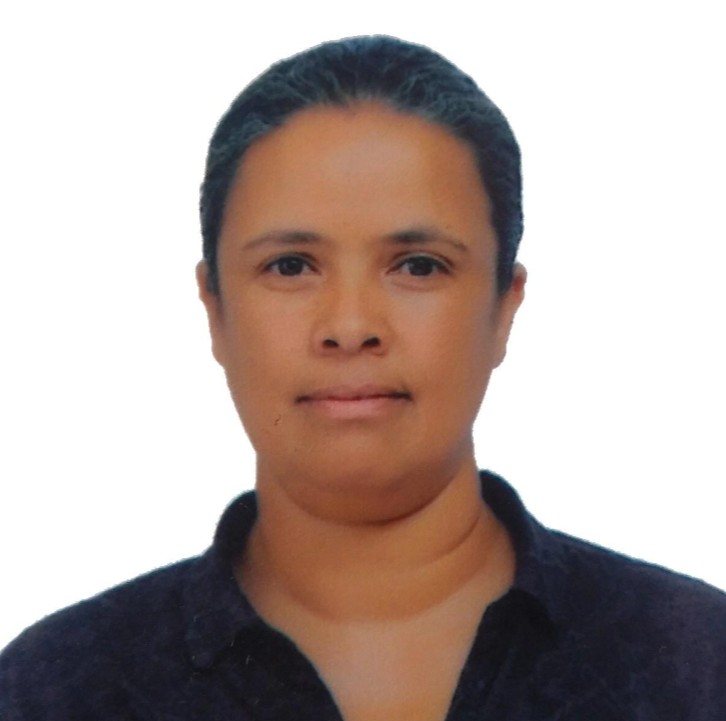
Managing Director, Damascene Essential Oil, Ethiopia

Impact Measurement and Reporting Manager, Conservation International
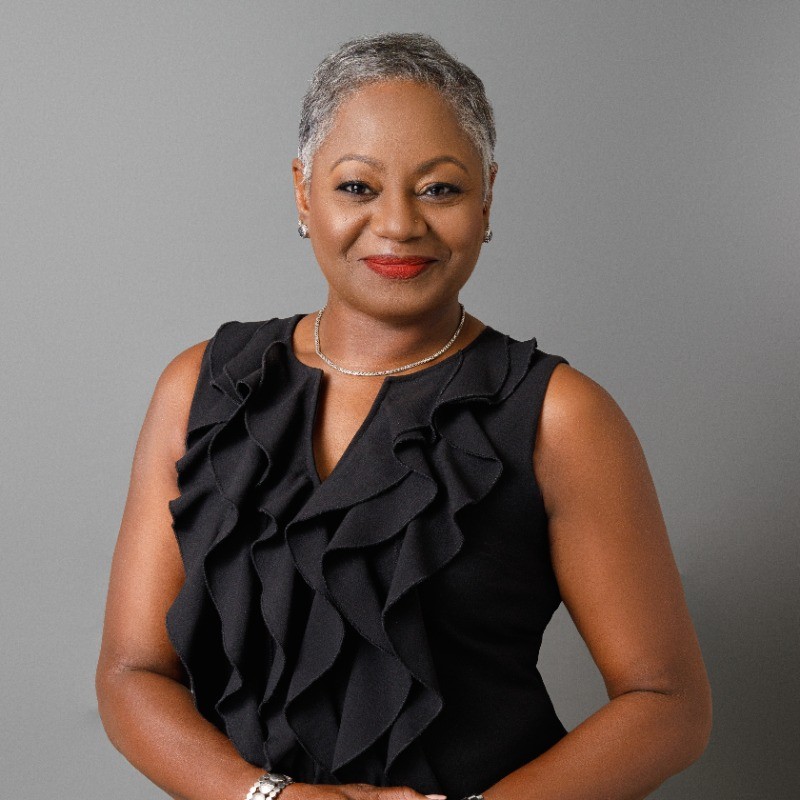
Program Specialist, UN Women Caribbean
English
French
Recent Sessions
Artificial intelligence for women entrepreneurs
Financing Caribbean agrifood entrepreneurs: strategies to access investment
Financing African Agrifood Entrepreneurs: Strategies to access investment