Smart food production and digitization: how Caribbean agrifood entrepreneurs can use data and technology
Caribbean Agrifood Business Session n°23
read more

In the Global South, climate change poses a disproportionate threat despite these regions contributing the least to global greenhouse gas emissions. Countries across Africa, Asia, Latin America, and the Pacific face intensifying droughts, floods, heatwaves, and storms that devastate livelihoods, food systems, and infrastructure, particularly in communities heavily reliant on agriculture and natural resources. Limited financial resources, weaker institutions, and inadequate access to technology hinder adaptation and recovery from climate shocks. Consequently, building climate resilience in these regions is critical, not only through improved infrastructure and disaster preparedness but also through sustainable agriculture, community-led adaptation, and equitable access to climate finance, ensuring that vulnerable populations can withstand and recover from the growing impacts of a changing climate.
Women, particularly in the Global South, are among those most affected by climate change due to existing gender inequalities and their central roles in securing food, water, and energy for households. During droughts, floods, or crop failures, women often bear the burden of traveling longer distances for water, caring for family members, and finding alternative income sources, all while facing limited access to land rights, education, financial resources, and decision-making power. These structural barriers increase their vulnerability to climate shocks but also position them as key agents of resilience.
Supporting climate-resilient business models for women entrepreneurs is therefore essential for equitable and sustainable development. Women-led ventures, particularly in agriculture, renewable energy, crafts, and local services, are uniquely positioned to develop innovative solutions at the climate–gender nexus, reducing vulnerability while generating income. However, systemic barriers, including limited access to credit, markets, training, infrastructure, and legal rights, often constrain their ability to adopt resilient practices or recover from shocks. Direct investment in women’s capacity, through climate finance, training in sustainable methods, mentorship, market linkages, and enabling policies, can empower women as change agents and strengthen community resilience more broadly.
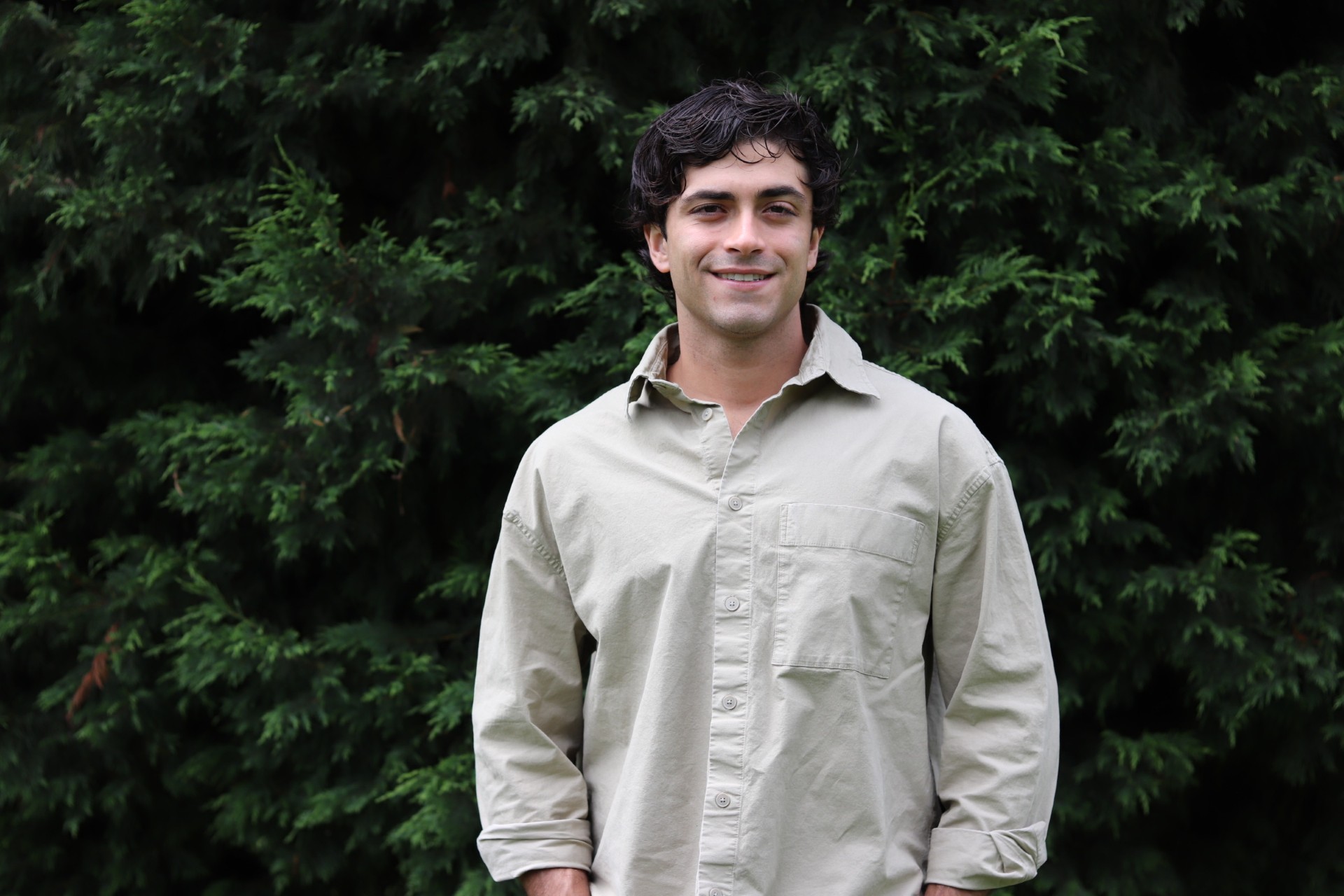
Program Associate, UN Women Caribbean

CEO, Emani Farms Giant Ltd, Nigeria

CEO, Sankhard Co. Ltd. & Agro Cold Storage Limited, Jamaica

General Delegate, COLEAD

Project Officer, COLEAD

Business Development Officer, Centre for Enterprise Development, Saint Vincent and the Grenadines

Founder, Tac-Maz Sustainable Ventures, Malawi

Program Specialist, UN Women Caribbean
English
French
Spanish
Recent Sessions
Smart food production and digitization: how Caribbean agrifood entrepreneurs can use data and technology
Digitalisation & AI in Agrifood: Tools for Efficiency and Market Access
Digital traceability and supply chain transparency: policies for food safety and market access